
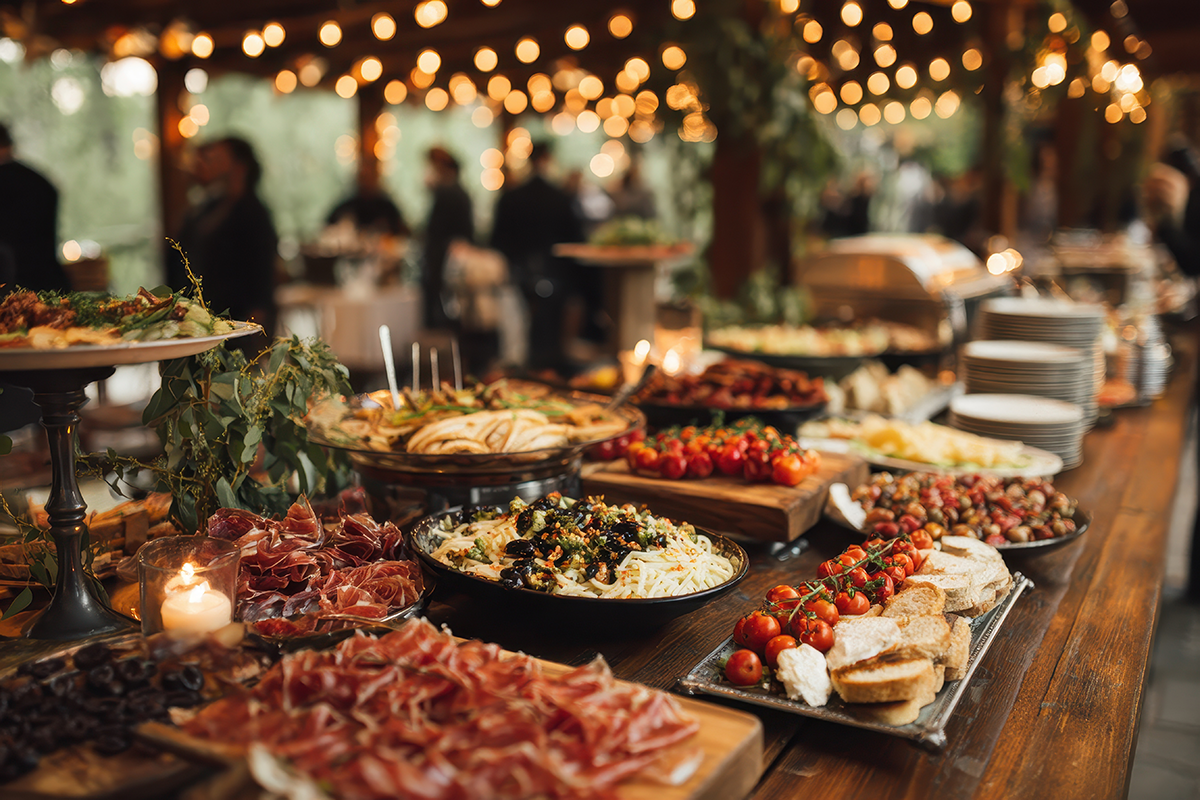
Large group ordering has become one of the most important revenue opportunities for restaurants. Whether it’s office lunches, school functions, sports teams, training sessions, nonprofit events, or corporate meetings, organizations are increasingly looking for convenient ways to feed groups without the complexity of traditional event catering.
For restaurants, this trend presents significant growth potential. However, large-format orders also bring unique operational challenges that require careful planning.
Here’s what restaurants need to know about the rise of group food ordering and how to position themselves for success.
Why Large Group Ordering Continues to Grow
Several factors are driving increased demand for restaurant catering orders:
Return of In-Person Gatherings While remote work remains common, many businesses have returned to regular:
- Team meetings
- Employee appreciation lunches
- Training sessions
- Client presentations
Food is often part of these gatherings, creating consistent opportunities for large orders.
Schools, Teams, and Community Organizations Educational institutions, athletic programs, and community groups frequently need meals that are:
- Easy to order
- Consistent in quality
- Scalable for different group sizes
Restaurants that can accommodate these needs often become repeat vendors.
Convenience Expectations Customers increasingly expect ordering for 20, 50, or even 100 people to be as simple as ordering lunch for one. That means restaurants need systems and menus designed specifically for large-group scenarios.
Menu Optimization for Large Orders
Not every menu item performs well at scale. One of the biggest mistakes restaurants make is offering their entire menu for large-format ordering.
Focus on Items That Scale Well The best group-ordering items are:
- Easy to produce in volume
- Consistent in quality
- Simple to transport
- Easy for guests to serve themselves
Popular examples include:
- Sandwich and wrap platters
- Taco bars
- Pasta trays
- Grain bowls
- Salad packages
- BBQ bundles
Simplify Customization Too many choices can create confusion and slow down fulfillment. Instead, offer:
- A few protein options
- Standardized side selections
- Clearly defined package tiers
This keeps ordering easy for customers and production manageable for staff.
Setting Smart Order Minimums
Order minimums help protect profitability while ensuring operational efficiency. Without minimums, large-order programs can become difficult to sustain.
Consider Factors Such As:
- Food costs
- Labor requirements
- Delivery distance
- Packaging expenses
- Preparation time
Some restaurants establish:
- Minimum dollar amounts
- Minimum guest counts
- Advanced notice requirements
The goal is to ensure every order remains financially worthwhile while still providing value to customers.
Make Requirements Clear Customers should immediately understand:
- Minimum order size
- Lead time requirements
- Delivery availability
- Setup options
Transparency helps prevent misunderstandings and improves the overall ordering experience.
Delivery Logistics Matter More Than Ever
As order size increases, so does logistical complexity. A delayed individual lunch order is frustrating. A delayed order for 75 people can become a major problem.
Successful Delivery Strategies Include:
Dedicated Catering Delivery Windows Rather than mixing large orders into regular delivery schedules, many operators reserve specific delivery periods for group orders.
Route Planning Efficient route planning helps:
- Reduce delivery times
- Maintain food quality
- Improve driver productivity
Communication Systems Customers appreciate updates regarding:
- Delivery timing
- Arrival windows
- Setup instructions
- Contact information
Clear communication reduces stress on both sides.
Packaging Can Make or Break the Experience
Packaging is often overlooked, but it plays a major role in large order success.
Prioritize Functionality Large group packaging should:
- Maintain temperature
- Prevent spills
- Be easy to transport
- Allow for efficient serving
Think About the End User For office meetings or school events, organizers often need:
- Clearly labeled containers
- Serving utensils
- Dietary information
- Organized packaging by item category
Small details can significantly improve the customer experience.
Sustainability Still Matters Many organizations are actively seeking environmentally conscious vendors. Packaging choices can influence purchasing decisions, especially among:
- Corporate clients
- Universities
- Nonprofits
Offering eco-friendly packaging options can become a competitive advantage.
Building Repeat Business Through Group Orders
Large orders are often recurring opportunities. A single successful delivery can lead to:
- Weekly office lunches
- Monthly staff meetings
- Seasonal sports team orders
- Annual events
To encourage repeat business:
Make Reordering Easy Customers appreciate:
- Saved order histories
- Favorite packages
- Streamlined checkout experiences
Gather Feedback Post-order feedback can reveal:
- Packaging improvements
- Menu preferences
- Delivery opportunities
The more you learn about repeat customers, the easier it becomes to serve them effectively.
Common Mistakes Restaurants Should Avoid
As group ordering grows, certain challenges become increasingly common. Avoid:
- Offering too many menu options
- Underpricing large orders
- Accepting unrealistic delivery timelines
- Using packaging designed for individual meals
- Failing to communicate order requirements clearly
A successful large-order program balances customer convenience with operational practicality.
Final Thoughts
The growth of group food ordering is creating valuable opportunities for restaurants willing to adapt. From office lunches and school events to sports teams and community gatherings, large-format orders continue to generate consistent demand.
Success depends on more than simply accepting bigger orders. Restaurants need optimized menus, clear order minimums, efficient delivery systems, and packaging that supports a positive customer experience. Operators who invest in these areas can turn large group ordering into one of their most reliable and profitable revenue streams.