
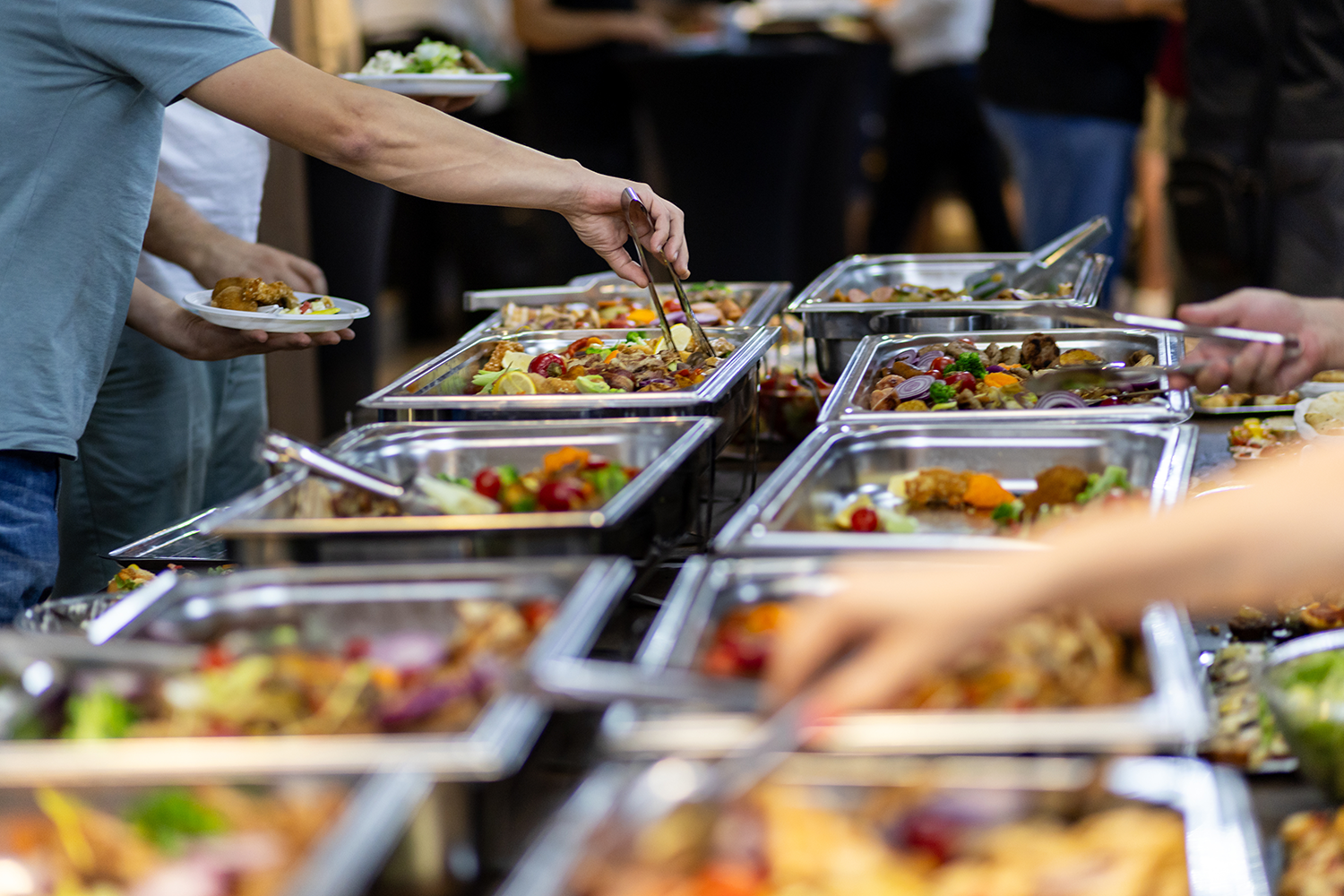
Off-premise dining is no longer a temporary shift. It is a permanent pillar of restaurant revenue. In 2026, delivery, curbside pickup, and catering-to-go continue to drive significant sales for restaurants of all sizes. For many operators, online ordering is not just a convenience feature. It is a core business channel. The challenge is no longer whether to offer off-premise dining. It is how to optimize it. Here’s how restaurants can maximize online ordering revenue while improving margins, accuracy, and customer loyalty.
Why Off-Premise Still Matters
Even as dine-in traffic stabilizes in some markets, customer behavior has fundamentally changed. Guests now expect:
• Seamless mobile ordering
• Flexible pickup windows
• Transparent pricing
• Fast, accurate fulfillment
• Easy reordering of past favorites
Large group orders and catering packages are especially strong drivers in the off-premise space, particularly for offices, schools, and social gatherings. Restaurants that treat off-premise as a strategic channel rather than an afterthought are seeing stronger long-term results.
1. Reduce Third-Party Dependency
Third-party delivery apps helped many restaurants survive during challenging periods. But commission fees can significantly reduce margins. A strong direct online ordering strategy helps restaurants:
• Lower commission costs
• Own customer data
• Control branding and messaging
• Build repeat purchase behavior
Third-party platforms can still play a role in discovery. However, the goal should be gradually shifting loyal customers toward direct ordering channels.
2. Increase Direct Online Orders
Driving customers to your own ordering platform requires intention. Strategies that work:
• Add QR codes in-store linking directly to your ordering page
• Promote ordering links in email signatures and social bios
• Include bounce-back incentives in takeout bags
• Offer exclusive online-only bundles
Clear messaging matters. Customers should immediately understand why ordering directly benefits them, whether through rewards, smoother service, or special menu options.
3. Improve Order Accuracy Through Menu Design
One of the biggest risks in off-premise dining is incorrect orders. Mistakes cost time, money, and customer trust. Online menu optimization can help reduce errors by:
• Limiting confusing modifier combinations
• Using clear item descriptions
• Standardizing portion selections
• Grouping related add-ons logically
A well-structured catering online ordering system ensures that large group orders are organized clearly for kitchen prep, reducing the chance of missed items.
4. Build Smart Upsells Into Digital Menus
In-store, a great server can suggest appetizers, desserts, or drink upgrades. Online, the menu has to do that work. Restaurants can increase average order value by:
• Suggesting add-ons before checkout
• Offering bundle upgrades at a slight discount
• Highlighting premium versions of popular items
• Creating “complete the meal” prompts
For catering, this might include:
• Disposable serving kits
• Beverage packages
• Dessert platters
• Branded packaging options
Subtle, well-placed upsells can significantly increase revenue without feeling aggressive.
5. Optimize Catering Packages Online
Catering is one of the most powerful off-premise revenue drivers in 2026. To maximize results:
• Offer tiered packages (basic, premium, executive)
• Clearly display per-person pricing
• Include minimum order guidelines
• Provide visual examples or serving suggestions
Modular catering packages allow customers to customize without overwhelming them. A strong catering online ordering system makes this process simple for both the guest and the kitchen. The easier it is to build and submit a large order, the more likely customers are to complete it.
6. Align Kitchen Operations With Digital Volume
Off-premise success is not just about marketing. It requires operational alignment. Restaurants should evaluate:
• Dedicated prep space for online orders
• Separate pickup areas to reduce congestion
• Clear labeling systems for large group packages
• Staffing schedules that reflect peak digital hours
When the back-of-house workflow matches the online ordering volume, accuracy improves and fulfillment times decrease.
7. Use Data to Refine Strategy
Online ordering platforms provide valuable insights into:
• Best-selling items
• Peak ordering times
• Average order value
• Catering frequency by client type
Reviewing this data regularly helps restaurants adjust menus, pricing, and promotions based on real performance rather than assumptions.
Final Thoughts
Off-premise dining is not slowing down. It is evolving. Restaurants that focus on building a strong direct online ordering strategy, improving order accuracy, and optimizing catering packages are positioning themselves for long-term stability. In 2026, online ordering is not just another sales channel. It is one of the most important tools restaurants have to protect margins, strengthen customer relationships, and grow beyond the dining room.