
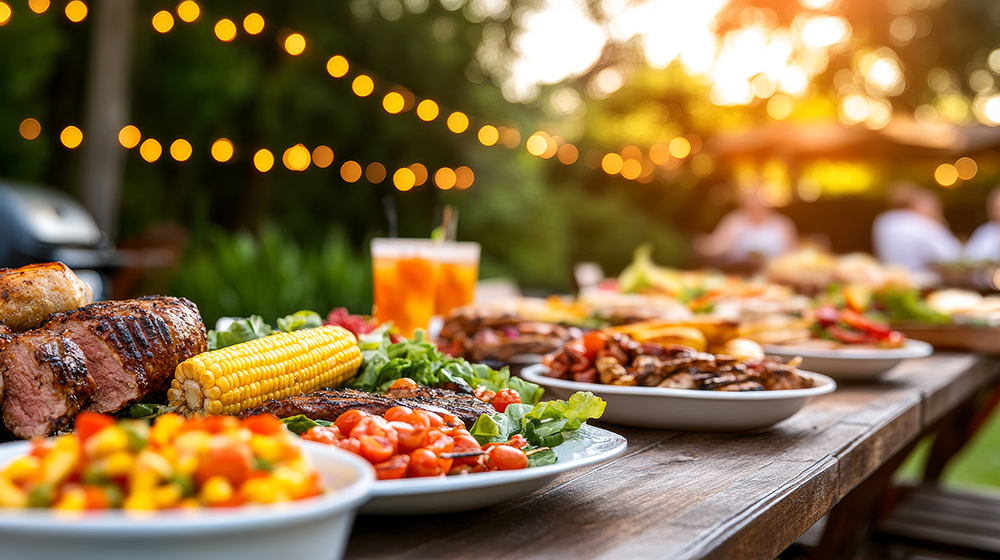
Summer is one of the biggest revenue opportunities for caterers and restaurants offering off-premise dining. From backyard BBQs to beachside celebrations, clients are looking for easy, flexible, and crowd-pleasing catering packages that match the season.
In 2026, the most successful operators are not just offering menus. They are offering pre-built experiences that simplify ordering while maximizing value. Here’s how to build summer catering packages that actually sell.
Why Summer Catering Packages Perform So Well
Summer events tend to be:
- More casual and social
- Larger in guest count
- Hosted in non-traditional venues
- Planned on shorter timelines
That combination makes pre-designed packages especially appealing. Clients want something that is easy to understand, quick to order, scalable for different group sizes, and reliable for outdoor conditions. The less friction in the ordering process, the higher the conversion rate.
Start with Clear, Themed Packages
Generic menus are harder to sell. Themed packages give customers a starting point and help them visualize the event. High-performing summer package themes:
Backyard BBQ Classic
- Grilled proteins (chicken, burgers, ribs)
- Classic sides (coleslaw, baked beans, corn)
- Lemonade or iced tea options
Beach Party Bundle
- Wraps or handheld sandwiches
- Fresh fruit trays
- Chips and light sides
- Hydrating beverages
Summer Social Kit
- Mix-and-match small bites
- Grazing boards
- Dessert platters
- Beverage add-ons
Naming matters. A strong theme helps customers quickly decide if the package fits their event.
Design for Outdoor Conditions
Not every menu item works in the heat. Summer catering packages should be built with temperature, travel, and timing in mind. What to prioritize:
- Foods that hold well without constant reheating
- Items that are easy to serve in outdoor environments
- Packaging that maintains freshness
- Minimal reliance on fragile plating
Avoid overly delicate dishes that break down quickly in warm weather. The goal is consistency from kitchen to guest.
Keep Packages Modular
Flexibility is key. While packages should feel simple, they should not feel restrictive. Instead of fixed menus, build packages with:
- A core base (protein + sides)
- Optional upgrades (premium proteins, desserts, drinks)
- Add-ons for different event sizes or preferences
This allows customers to customize without overwhelming them with too many decisions. It also helps operators maintain efficiency in the kitchen.
Make Pricing Easy to Understand
Confusing pricing is one of the biggest barriers to online catering orders. Best practices include:
- Clear per-person pricing
- Minimum order requirements upfront
- Tiered packages (basic, premium, deluxe)
- Transparent add-on costs
Customers should be able to estimate their total in seconds. Clarity builds trust and speeds up decision-making.
Build in Upsell Opportunities
Well-designed catering packages naturally create upsell moments. Common high-performing add-ons:
- Beverage packages (soft drinks, mocktails, coffee kits)
- Dessert trays or late-night snacks
- Disposable serving kits and utensils
- Premium protein upgrades
- Branded or specialty packaging
These add-ons increase average order value without complicating the base package.
Optimize for Online Ordering
In 2026, most catering orders start online. Your packages need to be built for that environment. What matters:
- Clean menu structure with clear categories
- Simple modifier options
- Visual descriptions that help customers understand portions
- Mobile-friendly ordering experience
The easier it is to build and submit an order, the more likely customers are to complete it.
Think Beyond the Event Itself
Top-performing catering packages extend beyond the core meal. Consider adding:
- Setup and serving instructions
- Suggested timelines for food service
- Optional next-day meal kits
- Bundled items for different moments (arrival snacks, main meal, dessert)
This turns a single order into a more complete experience.
Final Thoughts
Summer 2026 catering is not about offering more items. It is about offering better-structured packages. From BBQs to beach parties, the most successful operators are:
- Simplifying the ordering process
- Designing menus for real-world conditions
- Creating flexible, themed packages
- Building in smart upsells
When done right, catering packages do more than feed guests. They make planning easier for clients and operations smoother for your team.